Cavendish, Vermont · Port Antonio, Jamaica
Est. 2022 · Published seasonally
The Journal
Notes from the kitchen
bornfidis.com/journal
Seasonal notes, sourcing stories, and dispatches from the Bornfidis table.Volume I · Autumn 2025
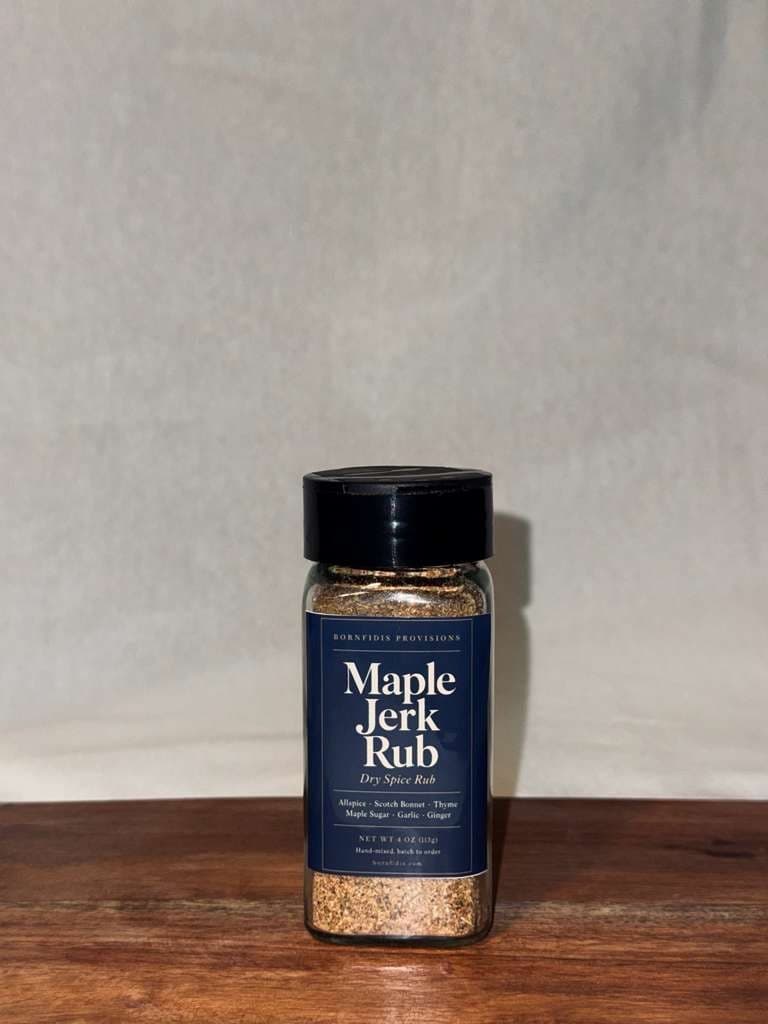
Maple Jerk Rub — Bornfidis Provisions test batch

Small Batch No. 01 Is Ready. What That Means and What Comes Next.

The first production run of Maple Jerk Rub is complete. Hand-mixed in limited runs — each jar labeled with the batch date. Here is what is in it, where everything came from, and when the next batch will be made.

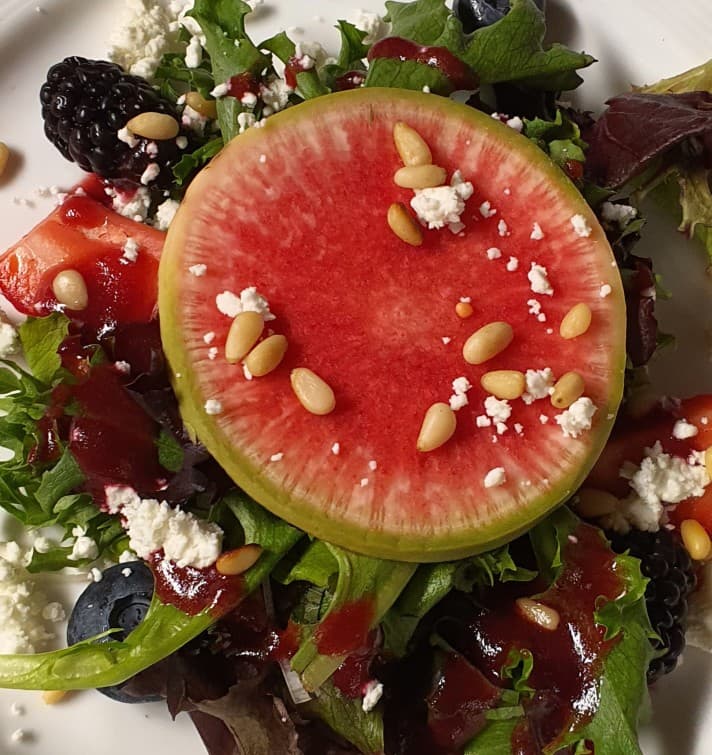
Seasonal salad with watermelon radish, berries, and goat cheese — Bornfidis Vermont sourcing

The Sugar Maple That Takes Forty Years Before Its First Tap.

Vermont maple sugar is not grown. It is inherited. A sugar maple tree takes four decades before it can be tapped. The farms we work with are not producing a crop — they are stewarding a forest. This is what that means for the flavor in every jar.

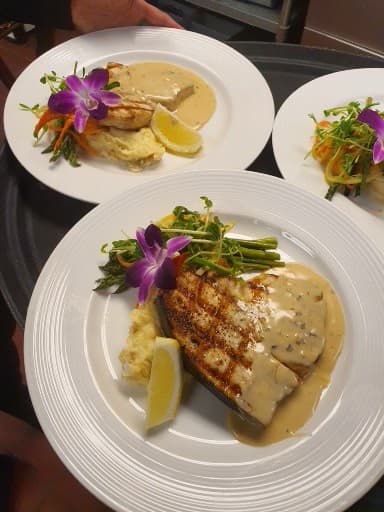
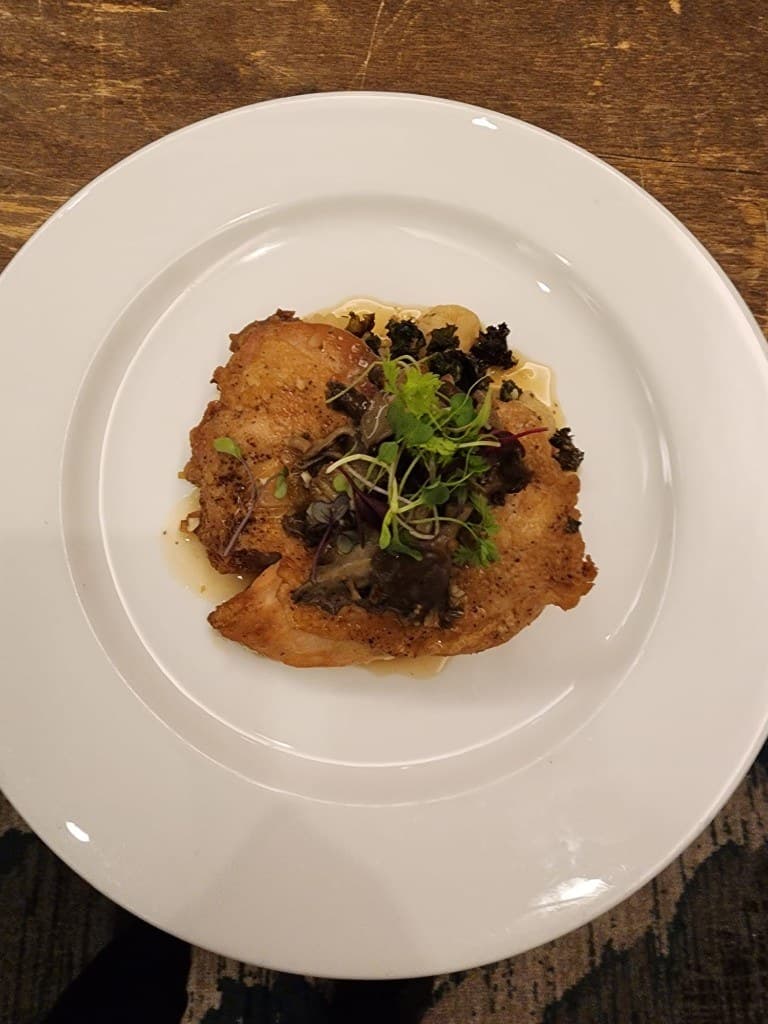
A finished Bornfidis course — grilled fish with an orchid garnish, plated for service

The Silence at the Table. What It Means When a Guest Stops Talking.

The highest compliment a cook can receive is not applause. It is the moment a guest lifts their fork, takes a bite, and goes quiet. This is what we are working toward every time. And it is rarer than it sounds.

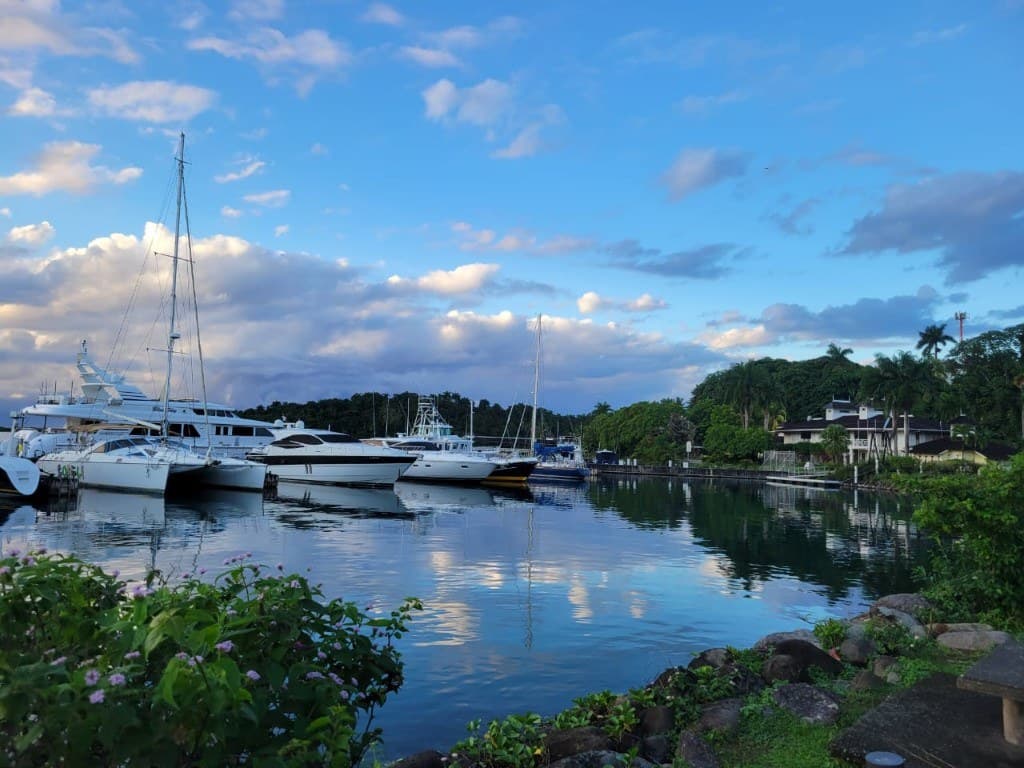
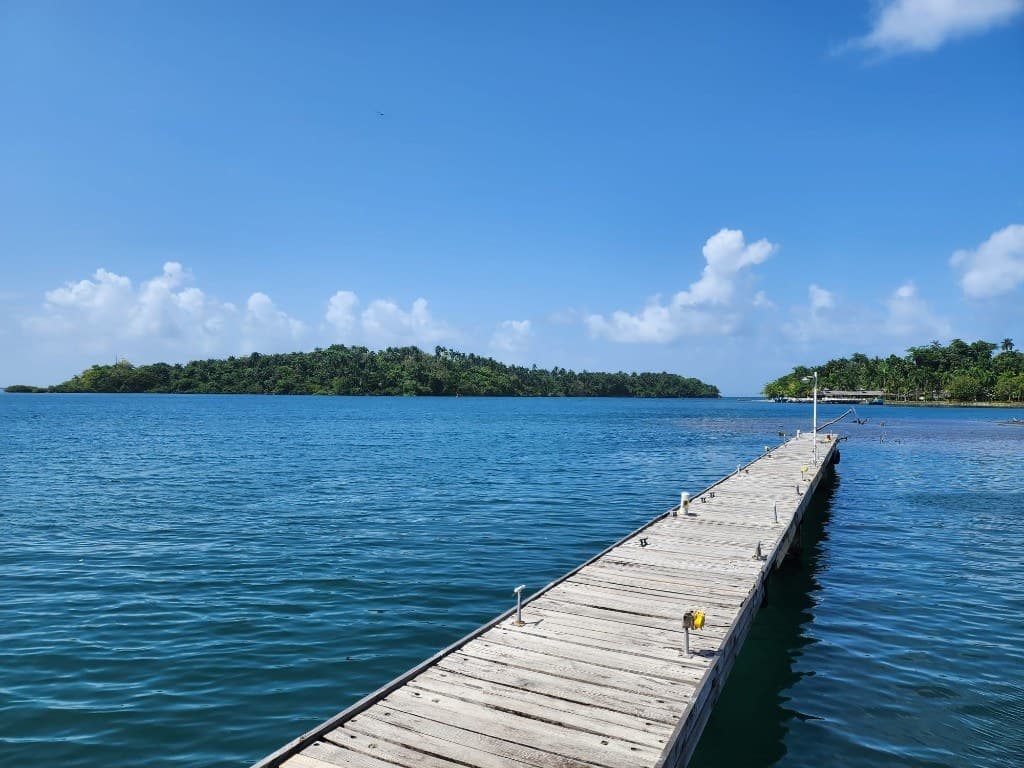
Port Antonio harbour — yachts and hills above the marina

Why Scotch Bonnet Is Not About the Heat. A Defense of the Most Misunderstood Pepper.

There is a persistent misunderstanding about Caribbean food and heat. The assumption is that the scotch bonnet is there to make food hot. This is wrong. The scotch bonnet is one of the most complex chile peppers in the world. This is the argument.

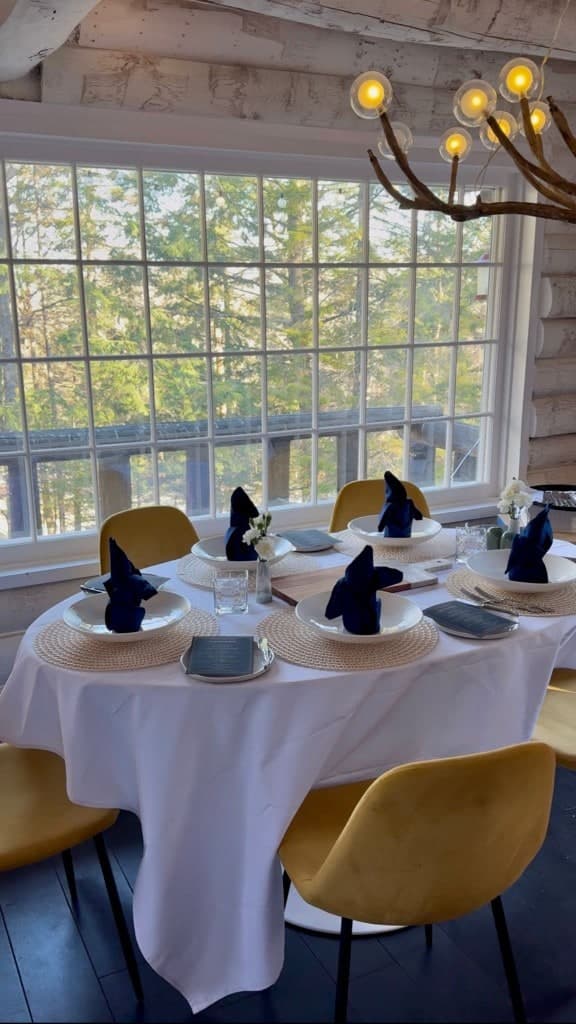
A Bornfidis private dining table set inside a Vermont log cabin

Cold-Smoking Salt in a Vermont Winter. Notes on 18 Hours and What Patience Tastes Like.

The smoke chamber must stay below 80°F throughout. In January in Cavendish, this is easy. The cold is an ingredient. This is a record of one batch of Vermont Smoked Sea Salt, from the wood selection to the first pinch on a plate.

Long ReadFrom the Kitchen
The 48-Hour Marinade. Why Time Is the Most Important Ingredient in This Kitchen.
November 2025 · 8 min read

Most people think of a marinade as something that adds flavor. It does — but that is not the most important thing it does.

The first thing a marinade does is create a surface. The Maple Jerk Blend contains maple sugar — a complex carbohydrate that, given enough time in contact with the fat and protein of a lamb shoulder, begins to draw moisture from the meat outward while simultaneously penetrating the outer muscle fibers with the aromatic compounds in the allspice, scotch bonnet, and thyme.

At four hours, you have surface flavor. At overnight, you have penetration into the first centimeter of the meat. At 48 hours, something different has happened. The maple sugar has caramelized slightly at the surface — not from heat, but from enzymatic activity and the interaction with the salt in the blend. The scotch bonnet’s capsaicin has moved deeper into the muscle. And the allspice, which is the most volatile of the twelve ingredients, has had enough time to settle rather than announce itself.

“Patience is a culinary technique. It changes the chemistry of the food. It is not a personality trait or a marketing story — it is the reason the lamb tastes the way it does.”

When the shoulder goes into a hot oven after 48 hours, the crust sets within the first twenty minutes and does not release its flavor into the braising liquid. It stays on the meat. That is the structural result of patience. Not a subtle one. A categorical one.
Browse by topic
Every entry in the Bornfidis Journal, organized by what it is about.

Next step

Inspired by what you read?

Private dining, provisions, and cooking classes all start with a conversation.

Book a Private Dining Experience